Why Slowing Down Feels Impossible
When was the last time you had nothing you had to do—and actually let yourself do nothing?
For many of us, slowing down sounds wonderful in theory. We want more time to relax, have fun, be outside, spend time with people we love, or simply sit and enjoy a quiet moment.
But when that moment actually arrives, we often find something else to do.
There’s laundry. An email to answer. A text to return. A few things we could pick up around the house. Work we could get ahead on. Maybe we reach for our phone without even thinking about it.
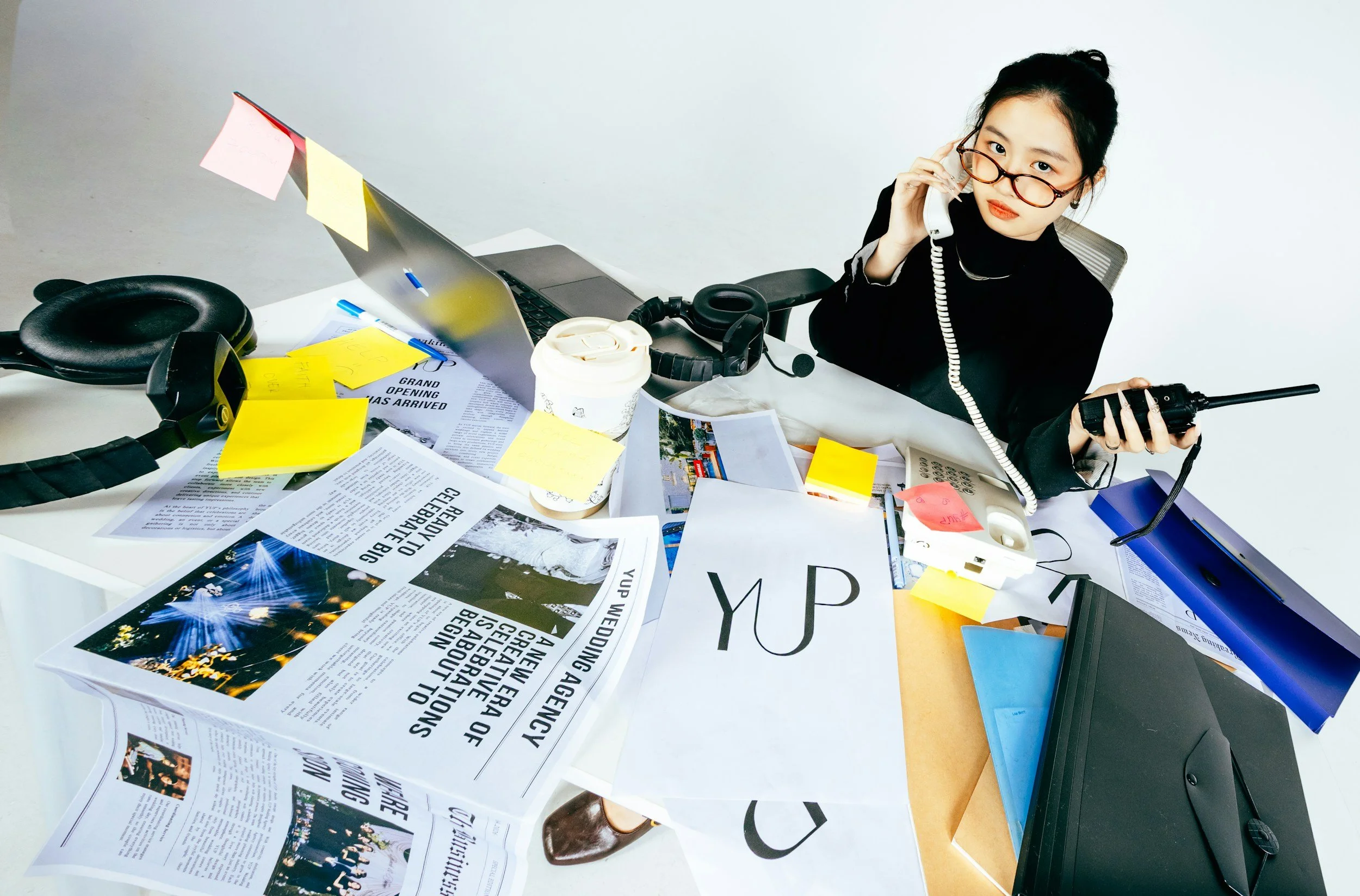
Most of us genuinely have a lot going on. Work, family, errands, household responsibilities, appointments, social commitments, and all the little things that seem to pile up throughout the day.
When there is so much to do, slowing down can feel irresponsible. There is always something that could use our attention.
And many of the things on our to-do lists don't have a true finish line.
The house can always be cleaner. There is always another email. Another load of laundry. Another work project. Another person who could use our help.
If we wait until everything is done before we allow ourselves to slow down, we may be waiting forever.
There will almost always be something else we could be doing.
Our phones, emails, texts, social media, notifications, and news give us an endless stream of things to look at and respond to.
Even when we're not working, we can still feel like we're “on.”
We've become accustomed to being reachable and distracted almost all the time.
Technology has made it possible to work from almost anywhere and be accessible at almost any time.
The workday might technically end at 5:00, but our phones don't know that.
When there aren't clear boundaries around work, slowing down can feel like we're still supposed to be doing something.
What do you do when you have an hour with nothing planned?
For many of us, the answer is: fill it.
We check our phones. We find something to clean. We make a list. We catch up on something. We turn on a show.
We've become very good at filling empty space.
And sometimes we don't even realize we're doing it.
Maybe you finally have some free time, but instead of relaxing, you think:
I should really get something done.
Or:
I don't have time to sit around.
Or:
I'll relax when I finish everything else.
The desire to slow down may be there. But so is the feeling that we haven't earned it yet.
And that's where slowing down becomes more than a time-management issue.
Maybe the challenge isn't simply that we're too busy.
Maybe we've gotten so used to doing that we've forgotten how to simply be.
Slowing down doesn't mean we need to abandon our responsibilities or stop being productive. It doesn't mean we need to meditate for an hour or spend our days doing nothing.
It means creating some space in our lives where we aren't accomplishing, fixing, helping, responding, or checking something off a list.
And that can feel surprisingly uncomfortable.
Start small.
When can you create tiny moments of stillness?
How can you create space in between tasks to give your brain a chance to catch up?
Where will you place the boundary between doing and being?